 Buster’s Story:
When Kibble Just Wasn’t Enough Sarah sat on the living room rug in her flat in Bristol, watching her four year old golden retriever Buster furiously chew at his paws. It was another skin irritation nightmare. Buster’s once thick coat was becoming dry and rough, and he hadn’t been able to hold a solid stool in weeks. She’d tried four different premium brands of kibble with no success. Hundreds of pounds later, and it looked like she’d never be able to rid Buster of his skin issues and soft stools. While walking Buster at the local park, Sarah and her dog met Rex, a glossy German shepherd. Rex had the kind of healthy skin and strong teeth that every dog owner dreams of. Sarah struck up a conversation with Rex’s owner, Claire. When she asked what special shampoo Claire used on Rex, she was surprised to hear that there was no special shampoo.
“No, actually,” Claire said. “Rex had some pretty severe skin troubles two years ago. Our vet recommended switching to a balanced raw food diet. The scratching stopped almost right away.”
Sarah hurried home and began her quest for knowledge on raw dog food. She found both positive and negative articles on feeding dogs a raw food diet. Many pet owners swore it was the best thing they’d ever done for their dogs. But others warned that raw meat was full of bacteria and could actually harm their pets.
If you’re like Sarah and you’re currently wading through conflicting information on the raw food diet for dogs, then keep reading. This comprehensive guide will help you find the information that you’re looking for.
What Does Feeding a Raw Food Diet for Dogs Actually Mean?
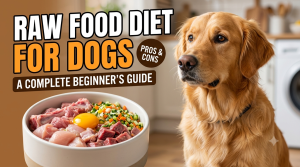
A raw food diet for dogs means that you are feeding your dog uncooked food items. The diet is comprised of raw meat, organs, and softened bones. You may also add ground vegetables to the mix as well. This type of diet works with a dog’s biology by giving them the kind of food that their wild ancestors ate.
In the modern world, we may think that our dogs have changed over time, but their digestive tracts remain much the same as their wild ancestors. The stomach acid is still highly concentrated, and the intestines are relatively short. This means that dogs are meant to eat mostly meat and quickly break it down before the nutrients move into the bloodstream.
When researching the debate about feeding a raw food diet for dogs in the United States, the United Kingdom, and Europe, it becomes readily apparent that there are two popular dietary models which people use when they begin feeding raw.
The BARF Method
The BARF method stands for Biologically Appropriate Raw Food. It recommends a mixture of plant and animal products for the canine diet. It is believed that a diet comprising roughly 70% muscle meat, 10% softened raw bones, 10% organs (at least 50% with liver) and 10% pulverized vegetables or fruit is suitable for domesticated dogs.
The Prey Model
The prey model is similar to the BARF method, except that it recommends no more than 10% plant matter. The model suggests that the diet should be similar to what a dog would eat if he caught and ate an entire prey animal. So, it comprises 80% muscle meat plus 10% raw bones and 10% organs.
The Upsides of Feeding a Raw Diet to Dogs
When the owner switches their dog from processed food to a fresh, balanced raw diet, there are some notable upsides within a matter of weeks.
Cleaner Teeth and Breath
Dry kibble doesn’t clean the teeth the way raw food does. Starchy kibble ingredients stick to the teeth and feed the bacteria that cause plaque and bad breath. Chewing on raw meat and soft bones stimulates the gums and cleans the teeth of debris.
Less, Smaller Poop
Because a dog is eating a diet of easily digestible fresh meats and bones, there isn’t much undigested food to pass as waste. It is common for dogs on a raw diet to have smaller, more solid, and less odorous stools than those who eat kibble or other processed foods.
Soft Skin and a Shiny Coat
Dogs on a balanced raw diet have fewer skin problems and a shinier coat. That’s because raw meat and fish oil supplements are high in Omega-3 fatty acids. These nutrients help reduce dry, itchy skin and promote supple skin. The same nutrients help make a dog’s coat shiny and healthy.
Lean Dogs with Healthy Muscles
Dogs on a raw diet are less likely to be obese and more likely to have toned muscles. Unlike kibble, a raw food diet for dogs doesn’t contain fillers or starches. The lean meat in the diet is loaded with protein, making it perfect for building muscle.
The Major Risks of Feeding a Raw Food Diet to Dogs
A raw food diet for dogs certainly has its benefits, but it does come with some risks. Veterinarians who have studied the effects of a raw food diet for dogs warn that there are three major red flags that pet owners should watch out for.
1. Pets Fed an Imbalanced Diet Can Have Health Issues
The biggest issue that arises with raw diets is that it is extremely easy to give your dog a diet of muscle meat that is imbalanced. Meat alone doesn’t have enough calcium and other minerals. Ingesting too much protein or too little calcium causes the body to leech calcium from the bones to maintain a balance. The result is brittle, easily broken bones.
2. Bacteria
Raw meat is chock-full of bacteria that can cause serious intestinal issues in your dog. Healthy dogs have strong stomach acid that allows them to tolerate the bacteria. The bacteria isn’t necessarily dangerous to your dog.
However, dogs easily transmit the bacteria to people through saliva and feces. Children, the elderly, and anyone with a compromised immune system can get very sick if they are exposed to it.
3. Cooking Bones Makes Them Dangerous
Never ever ever ever ever feed your dog a cooked bone. Whether it is a bone from a chicken, cow, pig, or any other animal, cooking makes them brittle and dangerous. Dogs with strong jaws can crush the bone, causing shards to puncture their stomachs or throats.
Safety and Nutrition for Feeding a Raw Food Diet to Dogs
Whether you’re feeding your dog a raw food diet that you make yourself or you buy pre-made frozen raw dog food, it has to meet certain safety and nutritional standards.
In the United States, look for a product with an AAFCO certification that it is a complete and balanced diet for your dog.
In the United Kingdom and Europe, choose a product that is certified to the FEDIAF guidelines.
A Ratio of Calcium to Phosphorus
Meats tend to have more calcium and less phosphorus. However, it’s important that a dog’s diet is relatively equal in the amounts of these two minerals. The reason is that too much calcium is dangerous for a dog’s skeletal system. There needs to be enough calcium in the diet to make sure that the ratio of calcium to phosphorus remains relatively constant.
This is why ground bones or soft bones are important parts of a raw food diet. These meaty bones have plenty of calcium, which balances the ratio of phosphorus to calcium. There is also a calcium carbonate powder supplement made specifically for dogs that can be used if you aren’t feeding your dog any meaty bones.
A Message from Dr. RK Bloch (Veterinary Nutritionist)
“Pet owners often ask me whether a raw food diet for dogs is really worth it. In my opinion, a raw food diet can be very beneficial to your pet, so long as it is fed in a balanced and appropriate way. The worst cases I see are those of the puppies who have suffered greatly because their owners have tried to feed them an imbalanced homemade diet. That’s exactly how many of the worst cases of skeletal problems in growing puppies get started.
If you are going to feed your dog a raw diet, the safest options are to either buy a balanced raw food diet from a reputable company that will make certain that the food is pathogen-free, or you can consult with a veterinary nutritionist to find out what ratio of ingredients is best for your dog.”
Transitioning Dogs to a Raw Food Diet
Never make the switch to a raw food diet overnight, and never do it too fast, either. Doing so could very well result in an unhappy, nauseous dog. The process of transitioning your dog to raw food should be gradual. You can accomplish this very easily by following this feeding schedule for at least a week.
Days 1 & 2: 75% of old food, 25% raw food
Days 3 & 4: 50% of old food, 50% raw food
Days 5 & 6: 25% of old food, 75% raw food
Day 7: 100% complete raw food
Daily Hygiene and Safety Tips
A cutting board, knife, and bowl that are used exclusively for preparing food for your dog will keep you safe
Wash your hands thoroughly with warm, soapy water for at least 20 seconds after handling raw meat
Wash your dog’s bowl in hot, soapy water after every feeding
Always thaw frozen raw pet foods in the refrigerator, not on the kitchen counter
Throw away any uneaten food after 20 minutes
Frequently Asked Questions
Is a raw food diet safe for puppies?
It can be, though there are a few precautions you need to take. Growing puppies, especially large breed puppies need to have a proper calcium to phosphorus ratio in their food. Too little or too much calcium can permanently damage the joints and bones. The best option is to go with a commercially-prepared raw food diet that has been properly supplemented for growing puppies.
Can dogs chew and digest raw chicken bones?
Raw chicken necks, wings, or feet can be given to dogs because the bones are pliable and won’t splinter. Always avoid giving your dog cooked chicken bones as they are much harder and will splinter and cause internal damage.
Is feeding a raw diet more expensive or less expensive than kibble?
It depends on the type of raw diet you choose for your dog. In order to provide the nutrients that a raw food diet needs, you’ll end up having to buy whole cuts of meat at a premium cost. In the United States and the United Kingdom, it costs anywhere between $3.00 to $8.00 (or £2.50 to £6.50) per day for a reasonably sized dog.
Can I mix kibble and raw together in the same bowl?
It is better to feed them separately. It is normal to feed a kibble in the morning and a raw diet for dogs in the evening. This type of feeding schedule is better for the digestive system as kibble is a starch and raw meat is digested more quickly. Mixing the two types of food in the same bowl can lead to an upset stomach in sensitive dogs.
How can I determine if my dog is thriving on a raw diet?
There are a few simple indicators that you can use to determine if the raw food diet is working. Dogs who thrive on the raw diet have more energy, supple skin and shiny coats, clear eyes, and shorter, firmer stools. If your dog begins having runny stools or vomiting, or seems generally lethargic, stop feeding the raw diet and consult your vet.
References
1. American Association of Feed Control Officials (AAFCO). (2023). Official Publication. AAFCO Inc.
2. Billinghurst, I. (1993). Give Your Dog a Bone. Warrigal Publishing.
3. European Pet Food Industry Federation (FEDIAF). (2023). Nutritional Guidelines for Complete Pet Food. FEDIAF.
4. Freeman, L. M., et al. (2013). Risks and benefits of raw meat-based diets for dogs and cats. Journal of the American Veterinary Medical Association, 243(11), 1549–1558.
5. Schlesinger, D. P., & Joffe, D. J. (2011). Raw food diets in companion animals: A critical review. The Canadian Veterinary Journal, 52(1), 50–54.